Introduction: Statistical Significance and Minimum Detectable Difference
Soil carbon measurement and monitoring is a complex process that requires high precision, transparency, and reliability. Statistical significance and minimum detectable difference (MDD) are essential to understanding when measuring and monitoring soil carbon, ensuring the reliability and validity of data.
- Statistical significance: Determines whether the changes in soil carbon levels are due to specific interventions rather than random variations, providing confidence in the results.
- MDD: Defines the smallest change in soil carbon that can be confidently detected, informing the design of sampling strategies.
Agricarbon’s guide details the need for statistical significance and minimum detectable difference (MDD). These concepts are crucial for soil carbon professionals seeking to ensure their soil carbon data is accurate, meaningful, and scientifically robust.
Statistical Significance in Soil Carbon Measurement
In soil carbon monitoring, determining the statistical significance is essential to distinguish genuine changes to the soil carbon stocks. Agricarbon’s method employs statistical tests that accurately evaluate whether the observed changes in soil carbon stock over a specified period come from the targeted management practices.
This process ensures that the claimed increases in soil carbon are not mere fluctuations due to chance but are attributed to practical changes in land use or agricultural practices. The significance of this approach lies in its ability to underpin claims for carbon removals with scientific validation, increasing confidence in the project.
Minimum Detectable Difference: A Key Metric in Sampling Strategy
MDD in soil carbon measurement is an important metric that drives sampling intensity, as it helps determine the smallest level of change in soil carbon that a sampling strategy can confidently identify.
Agricarbon’s downloadable guide highlights our approach to determining the MDD for each project, where we are considering several factors like sample size, average soil carbon values, variability in the data, and the statistical power of the test. This calculation ensures that the sampling strategy is sufficiently sensitive to detect meaningful changes in soil carbon, vital for accurate monitoring and reporting in carbon sequestration projects.

Minimum Detectable Difference (MDD) in Soil Carbon Monitoring
While statistical significance tells us if there’s a difference between two existing data sets, the Minimum Detectable Difference (MDD) tells us what level of difference we can confidently detect. In other words, it informs us of the smallest change in soil carbon that we can reliably measure based on the monitoring strategy we plan to use.
There are other tests that can be applied for the same inquiry but at Agricarbon, we prefer MDD because of its reliability. To calculate the MDD, we need to know the sample size (number of soil cores), the mean value (e.g. tonnes per hectare of soil carbon to specified depth), the variability in the data (standard deviation), the P-value (the significance level), and the statistical power of the test. Statistical power is the probability that the test will correctly reject a false result. In the context of voluntary carbon markets, a 90% power level is typically used.
The MDD is a crucial metric for soil carbon projects. It informs the project managers what to expect in terms of soil carbon change for monitoring, reporting, and verification purposes. It also helps to refine the sampling design by reducing variability and increasing the amount of detectable change.
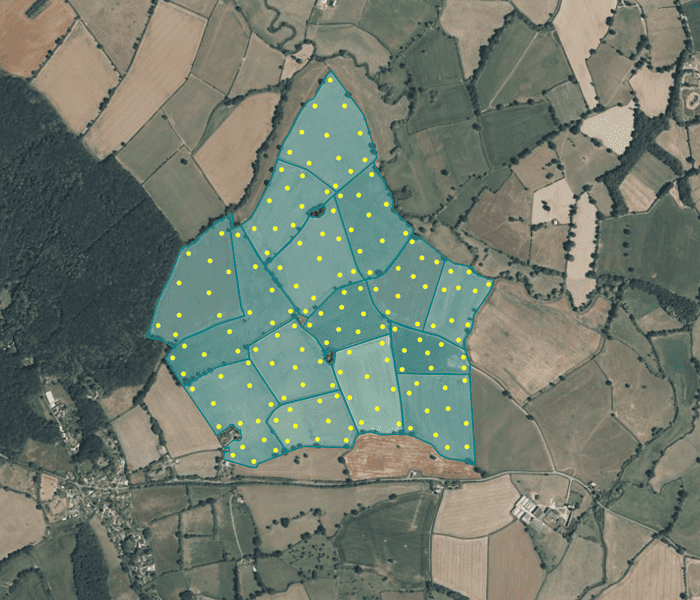
For example, MDD can be applied when baselining soil carbon; to calculate what level of change can be detected with statistical confidence given the measured means and variation obtained from a known core number. This information can then be used to inform the monitoring strategy e.g., how many years will it take under the new management to achieve the targeted level of change, or are more cores required to be able to monitor more frequently, or to detect a lower level of change?
Learn More About Agricarbon’s Approach
Understanding and applying statistical significance and MDD are vital for ensuring accurate soil carbon monitoring. For a comprehensive understanding of statistical significance and MDD in soil carbon measurement, download Agricarbon’s detailed guide. It is an invaluable resource for professionals implementing precise and scientifically sound soil carbon projects.

Gain Access to
Agricarbon’s Definitive Guide
Read More:

Tags